Cruise Cabin Types Explained
From inside cabins to suites — plus connecting, accessible and solo cabins.
Help Me Pick My CabinCabins (the lines often call them staterooms) fall into four broad types, plus special layouts for families, groups and guests with disabilities. Names and sizes vary widely between lines and ships, so use this as a guide and check your ship’s stateroom pages for specifics.
| Type | What you get | Good for |
|---|---|---|
| Inside | No window. Usually the smallest and lowest-priced category. | Budget, deep sleepers who like a dark room, travelers who are rarely in the cabin. |
| Oceanview | A window or porthole, no balcony. Some views are partly obstructed. | Natural light without the balcony price. |
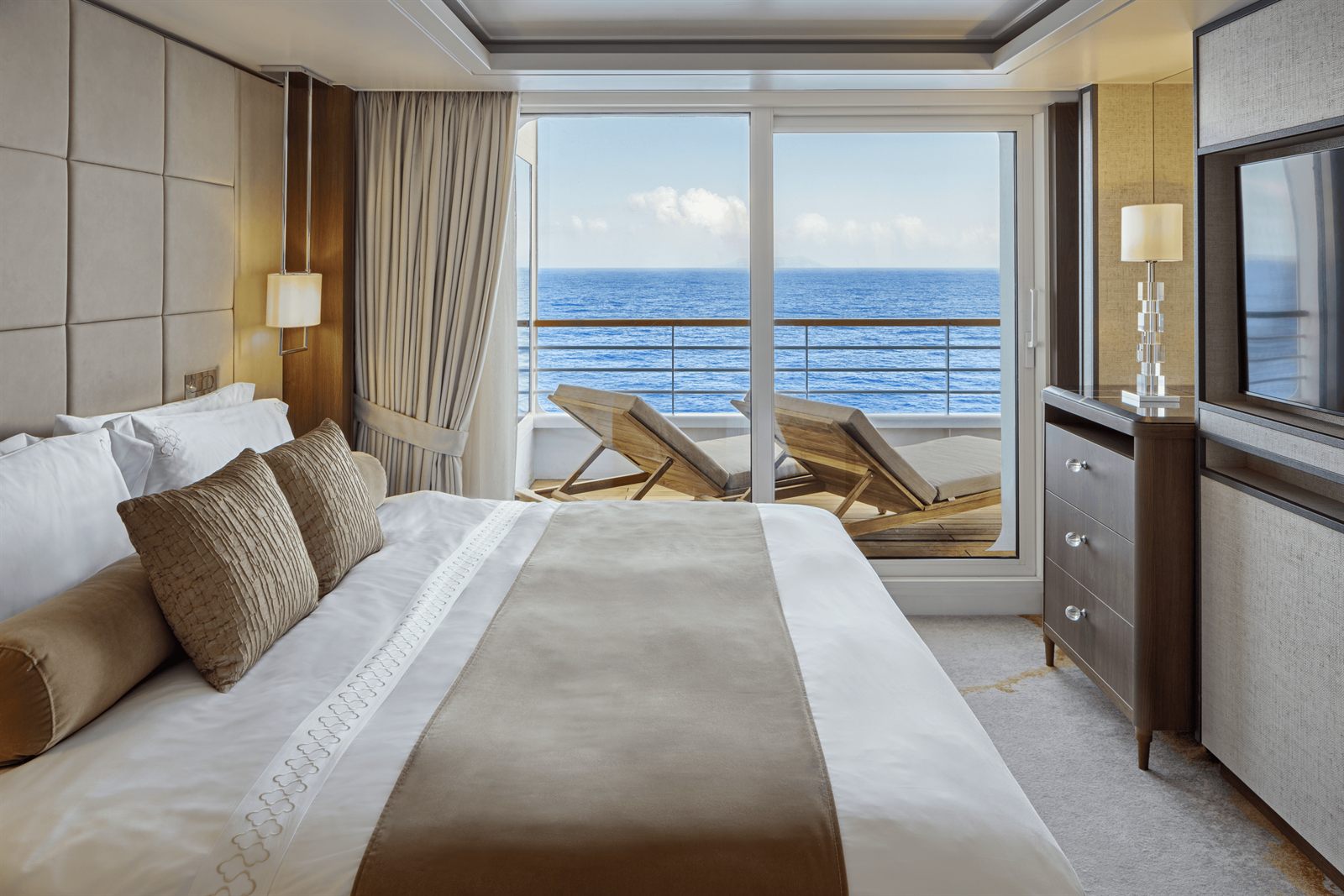
| Balcony | A private outdoor space with sliding door. Balcony sizes vary on the same ship. | Scenic itineraries, longer cruises, fresh air. |
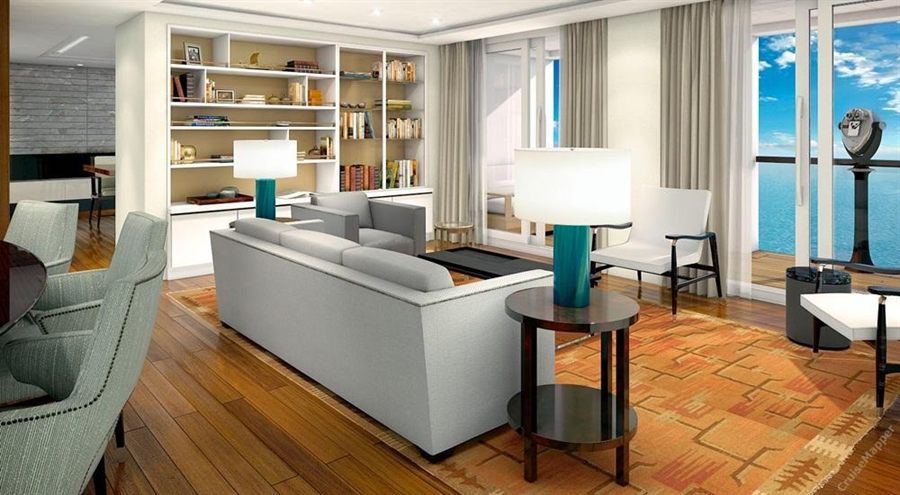
| Suite | More space, often a separate living area, plus perks that vary by line. | Space, privacy and extras; special occasions. |
Special Cabin Layouts
Connecting cabins
Two cabins with an internal door between them. Ideal for families who want two bathrooms. Shown on most deck plans with a connector symbol.
Adjoining or nearby cabins
Next to each other or across the hall without an internal door. Some lines use “adjoining” to mean a shared balcony divider that can open; ask how your line defines it.
Triples and quads
Cabins with sofa beds or pull-down upper berths for a third or fourth guest. Space gets tight; check the bed icons.
Accessible cabins
Wider doors, roll-in showers, grab bars and more turning space. Limited in number; book early and tell the line about your needs.
Solo cabins
Some newer ships have studio cabins for one traveler, often without the single supplement of a double cabin.
Same Category, Different Cabin
Within a category, cabins are not identical. On the deck plan look for:
- Cabins at the curve of the hull that may be a slightly different shape.
- Balconies that are deeper or wider than standard, especially at corners and aft.
- Oceanview cabins with portholes instead of picture windows on lower decks.
- Categories marked as obstructed view, which can be partly or largely blocked.
- Location-based price tiers: the same cabin type often costs more midship or on higher decks.
Bed layouts can differ within a category as well: some cabins have beds that convert between two twins and a queen, while others have a fixed layout because of the cabin shape. If the bed setup matters, confirm it for the specific cabin number.
If you are torn between a better location in a lower category and a worse location in a higher one, the better location often wins for sleep and comfort. Our sister site Cruise Upgrades looks at when a suite is worth paying for.
Accessibility Notes
If you use a wheelchair or scooter, book an accessible cabin early — they are a small share of any ship. Consider location too: near an elevator bank that serves the main venues is ideal. Tender ports can be harder to manage than docked ports. Our sister site Accessible Ocean Cruises covers this in depth.
Not Sure Which Cabin Type to Book?
Tell us who is traveling and your budget. Our cruise advisors at Mister Cruise will compare cabin types and locations side by side, free.
Help Me Pick My Cabin